
About Our Research
Unraveling Dengue Immunity, Virus Diversity, Vaccines
1. Dengue viruses are not monolithic
The four types of dengue viruses (DENV-1 to DENV-4) each contain diverse strains. These genetic differences affect virus transmission and disease severity. We apply both classical and molecular virology techniques to uncover the genetic drivers, along with their underpinning mechanisms, of outbreaks and safety of live attenuated vaccines.
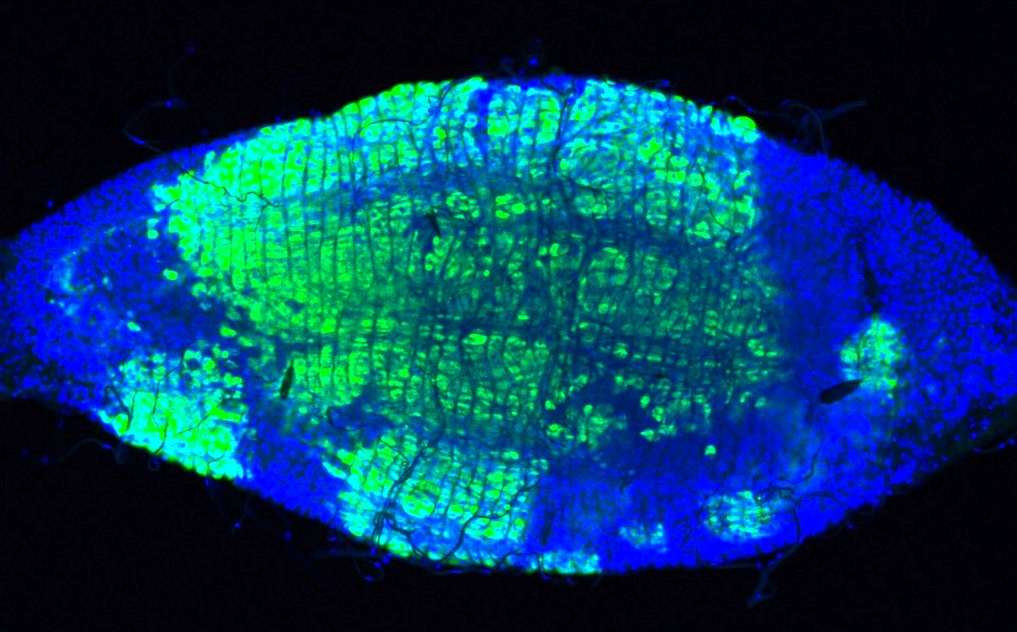

2. Uncovering the role of T cell immunity in dengue
Unlike humoral responses, the contribution of cell-mediated immunity to dengue protection and disease remains less clearly defined. Our lab uses human cohort and controlled challenge studies to characterize dengue-specific T cell responses and their impact on both protection and pathogenesis, with an overall goal to improve dengue vaccine design and application.
3. Decoding host responses to dengue, yellow fever and other vaccination
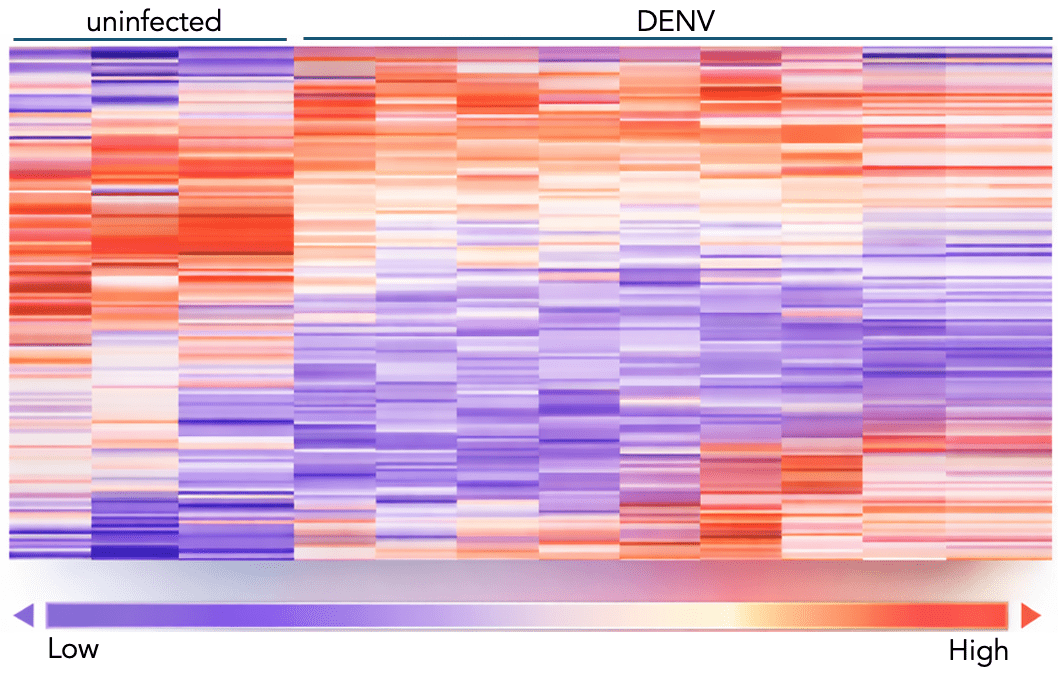
Live attenuated vaccines trigger a brief, low-level infection. How our body responds to these vaccines shape both the profile of systemic side effects and the magnitude of adaptive immunity. We use systems-level approaches to study these responses, paving the way for current vaccines to be used safely and contribute to the foundation for better vaccines to be developed in the future.
4. Bench to bedside translational medicine to improve patient outcomes
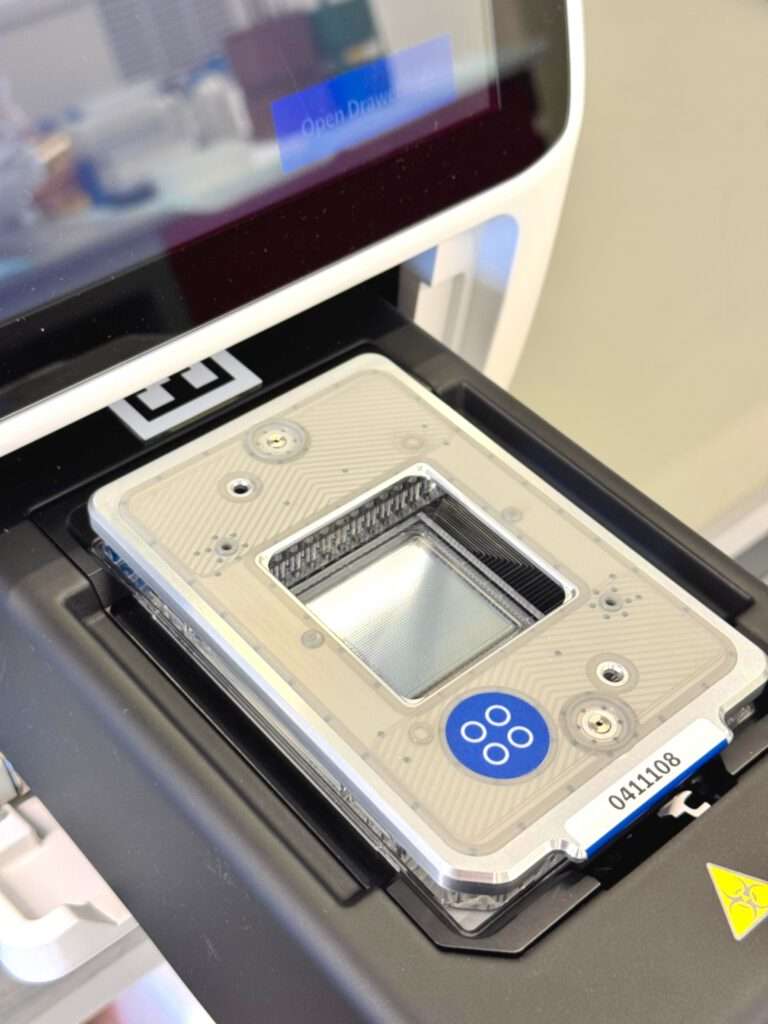
To translate research findings to impactful patient care, ViREMiCS applies quality assurance to multi-omics and immune monitoring assays and operates under ISO 15189 (Medical Testing) accreditation. ViREMiCS collaborates closely with academic, clinical and industry partners to understand the molecular underpinnings of disease and advance molecular indicators of safety and efficacy for new vaccines and therapeutics.
Discover Our Work
See What We’ve Accomplished
Take a look at the impactful research and scientific discoveries we’ve contributed to.